
Clach Energy Storage
Location: Halkirk, near Thurso
About the Project
BayWa r.e is progressing plans for Clach Energy Storage, a Battery Energy Storage System (BESS), located approximately 14 km south of Thurso, in Caithness.
The project is nearing submission, with one final round of community exhibitions planned. This website provides information on the proposal, the work undertaken to date and next steps in the process.
We are committed to working with the local community and keeping people informed as the proposal develops. If you would like to find out more about the development, please email info@clach-bess.co.uk.
Since the first public exhibitions in January 2026, we have continued the environmental and technical assessments and carefully considered stakeholder feedback. This has helped to refine the proposals and we were pleased to share the latest project updates at our second round of public exhibitions in June 2026.
Thank you to everyone who attended the events and shared their views. Your feedback has helped shape the project’s development.
There will be a further opportunity to make formal representations to the Scottish Government Energy Consents Unit (ECU) once the Section 36 planning application is submitted.
The frequently asked questions from recent consultation events and meetings can be found here.
About Clach Energy Storage
Originally known as Caithness BESS, the Clach Energy Storage project is designed to help manage electricity generated from renewable sources in the north of Scotland. With a grid connection capacity of 456 MW, the system will store surplus energy when generation is high and release it when demand increases. This helps make better use of Scotland’s renewable resources and supports a more stable electricity network.
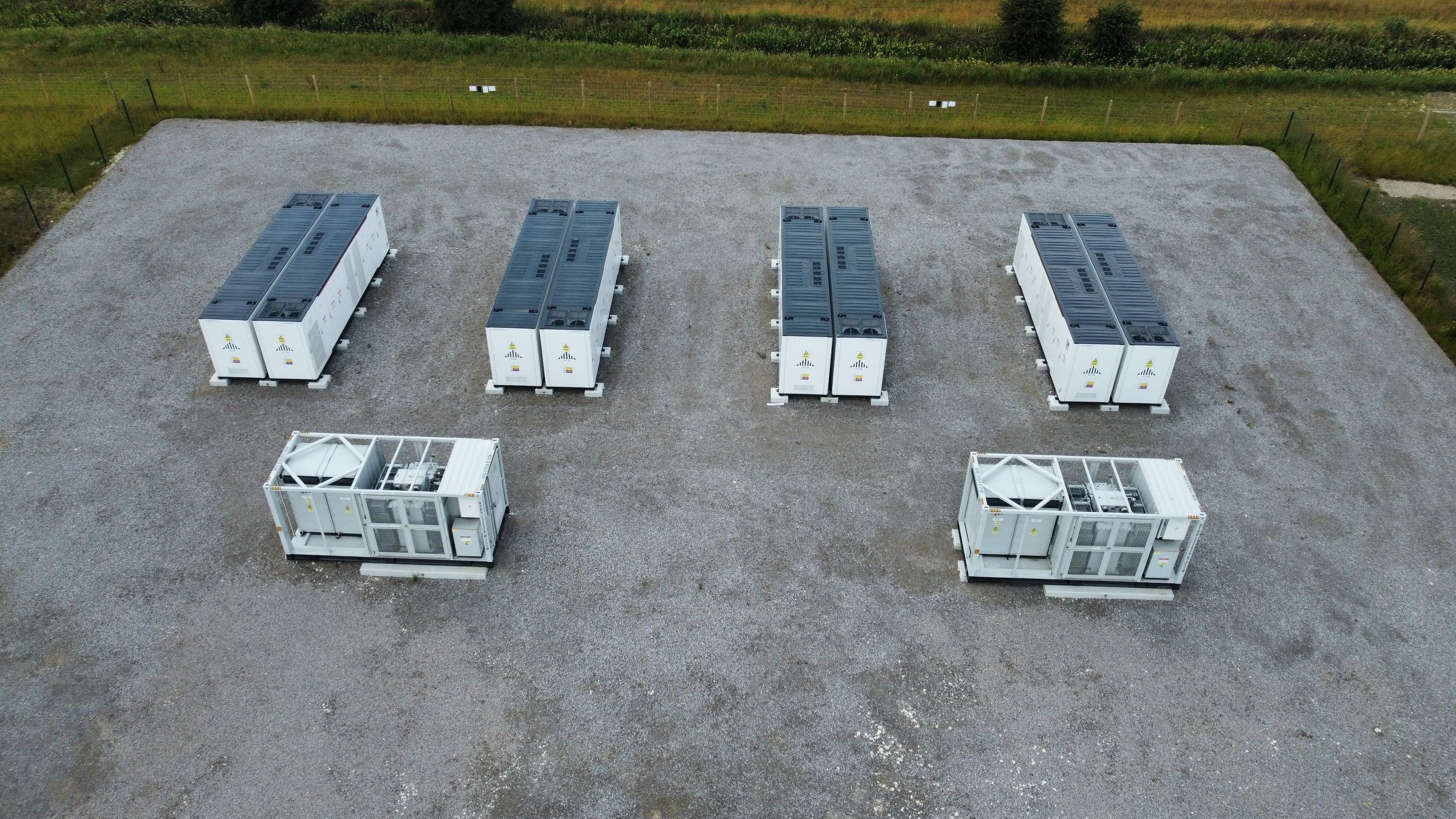
Illustrative image
Proposed Site Layout
The proposed site layout is detailed below.
The site:
The project area covers 19 hectares / 47 acres, which is roughly the same as 28 football pitches. It sits in two fields approximately 800m apart, which are currently used for rough grazing. There is existing forestry around the site which will help to screen the project and minimise visual impact on the surrounding area.
An existing overhead power line runs close to the site, and an operational quarry sits between the two fields. The site also benefits from direct access from the A9.
The site is next to SSE’s recently consented Banniskirk Hub and HVDC converter station, and the proposed upgraded Spittal–Loch Buidhe–Beauly transmission line is expected to pass between the two fields. Being close to this infrastructure helps improve the efficiency of the project.
Why this Location?
Caithness is an important area for renewable energy and has a key role to play in helping Scotland meet its renewable energy targets. At times, renewable generation can produce more electricity than the local grid can accommodate.
Clach Energy Storage would help address this by storing surplus electricity when generation is high and releasing it when demand increases. This would maximise the use of renewable energy generated in the area, support a more balanced and resilient electricity system and help maintain a reliable supply across the region and Scotland.
The proposed location is considered suitable as it allows a direct connection to the existing electricity network, reducing the need for new power lines while minimising environmental and visual impacts.
How our plans have evolved?
Since the first round of consultation, we have reviewed feedback from the community and the ongoing environmental and technical assessments, in response we have:
What has been assessed?
A wide range of assessments have been undertaken, this includes:
Screening Report
As part of our pre-application work, we prepared a Screening Report. This report gave an overview of the project and was shared with the Energy Consents Unit (ECU) to help decide whether a full Environmental Impact Assessment (EIA) would be needed as part of our Section 36 planning application submission.
You can view it here:
We have been advised that a full EIA is not required. That said, we are committed to best practice and will continue all necessary environmental and technical studies to make sure we fully understand any potential project impacts and do all we can to address them as the project develops.
Timeline
Opportunities
Opportunities for Communities
BayWa r.e UK is proud to invest in the communities hosting our projects. We will contribute £50,000 per year (indexed) to a dedicated community fund throughout the life of the project. This flexible fund can support local initiatives, services, education, training, jobs, and sustainability projects. It may also attract additional match funding to increase its impact.
We welcome your ideas on how this fund can best benefit the community.
Opportunities for Local Businesses
Clach Energy Storage offers exciting opportunities for local businesses with the right skills and services, both during construction and operation.
BayWa r.e UK is committed to working with local companies wherever possible. At recent projects:
77% of civils contracts at Dalquhandy Wind Farm were awarded to Scottish companies;
At Broken Cross Wind Farm, 80% of civils contracts went to Scottish companies, many of them local.
Join our Local Business Register to hear about upcoming opportunities: info@clach-bess.co.uk
What is a BESS?
A Battery Energy Storage System (BESS) stores excess energy for later u stores electricity for use when it is needed most, much like a larger version of the batteries we use every day.
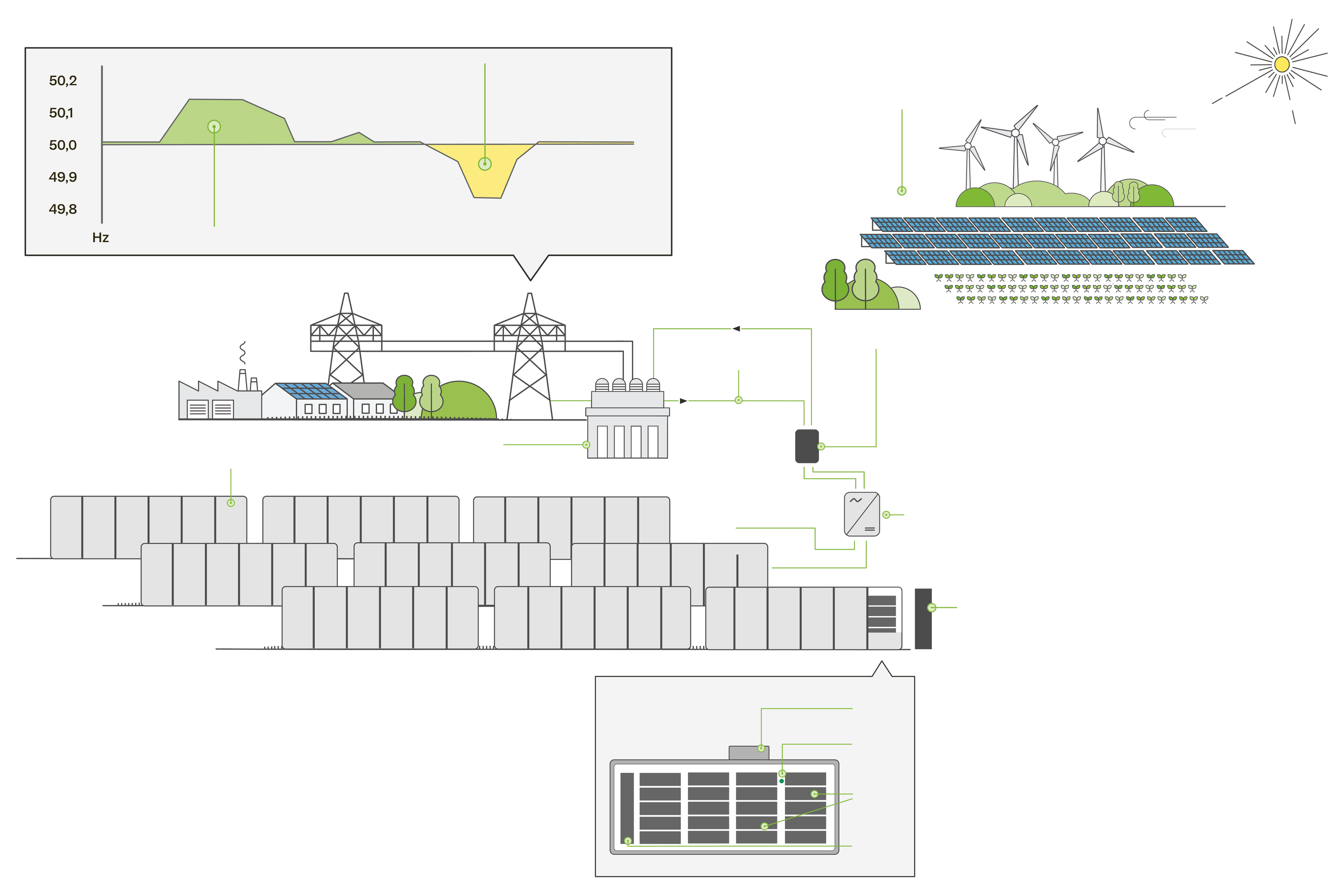
Electricity generation and demand do not always match. For example, on a windy day, renewable energy projects may produce more electricity than the grid requires. A BESS can store this excess energy and release it later when demand is higher or renewable generation is lower.
By storing and supplying electricity when needed, battery storage can help reduce reliance on traditional power sources such as gas, while supporting a stable and reliable electricity grid.
Frequently asked questions
Frequently asked questions from recent consultation events and meetings.
Resources
Contact
If you have any questions, please contact us.